Tardiva Hydrangea: The Showstopper That Blooms Late
Tardiva Hydrangea: The Showstopper That Blooms Late
If you're looking for a hydrangea that will add late-season interest to your garden, look no further than Tardiva. This panicle hydrangea is known for its long-lasting blooms, which can last from early to late autumn.
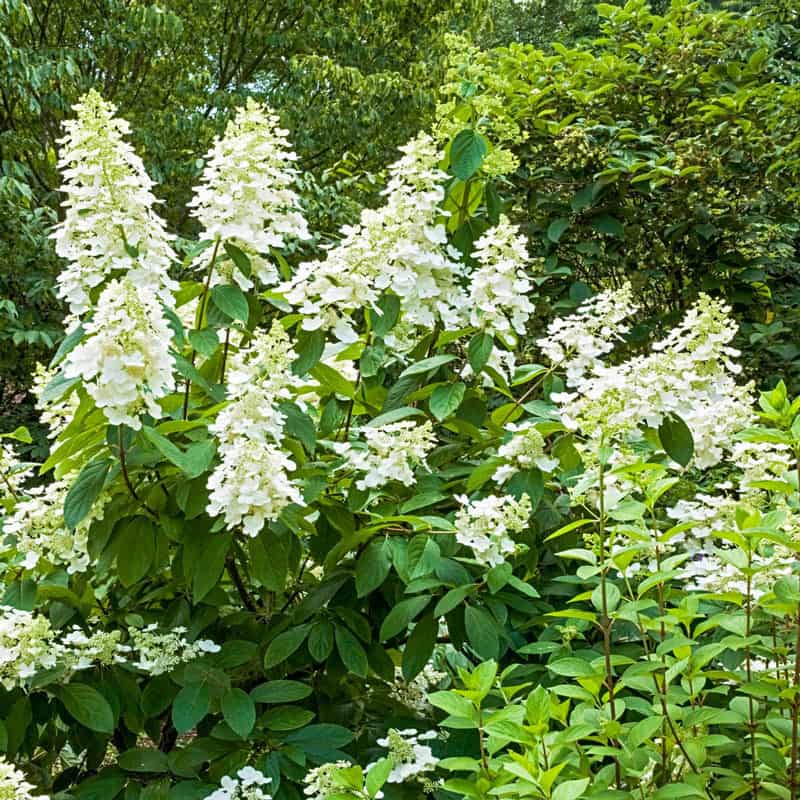
Tardiva hydrangeas are a relatively new variety, first introduced in the 1990s. They are a cross between two other panicle hydrangeas, 'Limelight' and 'Pink Lady'. Tardiva hydrangeas inherit the best qualities of both parents, with large, cone-shaped blooms that are a mix of white and pink.
As the flowers age, they gradually turn a deeper pink or purple. This makes Tardiva hydrangeas a truly versatile plant, as they can be enjoyed in a variety of colors throughout the season.
In addition to their long-lasting blooms, Tardiva hydrangeas are also relatively easy to care for. They prefer full sun to partial shade, and they are tolerant of a variety of soil types. Tardiva hydrangeas are also drought-tolerant once established, making them a good choice for gardens in hot, dry climates.
If you're looking for a hydrangea that will add beauty and interest to your garden from early to late autumn, Tardiva is a great choice. These showstopping plants are sure to turn heads all season long.
Main Content
Planting Tardiva Hydrangeas
Tardiva hydrangeas can be planted in spring or fall. When planting, choose a site that receives full sun to partial shade. Tardiva hydrangeas prefer well-drained soil, but they are also tolerant of a variety of soil types.
To plant a Tardiva hydrangea, dig a hole that is twice as wide and as deep as the root ball. Backfill the hole with soil, being careful not to bury the crown of the plant. Water the plant thoroughly after planting.
Caring for Tardiva Hydrangeas
Tardiva hydrangeas are relatively easy to care for. Water the plants deeply and regularly, especially during the first year after planting. Mulch around the plants to help retain moisture and suppress weeds.
Tardiva hydrangeas do not require a lot of fertilizer. A light application of fertilizer in the spring will help the plants to bloom well.
Pruning Tardiva Hydrangeas
Tardiva hydrangeas should be pruned in late winter or early spring. Prune the plants to remove any dead, diseased, or damaged branches. You can also prune the plants to shape them or to control their size.
Troubleshooting Tardiva Hydrangeas
Tardiva hydrangeas are generally very healthy plants. However, there are a few potential problems that you may encounter.
- Leaf spot: This is a fungal disease that can cause brown spots on the leaves of Tardiva hydrangeas. Leaf spot can be treated with a fungicide.
- Powdery mildew: This is another fungal disease that can cause white, powdery patches on the leaves of Tardiva hydrangeas. Powdery mildew can be treated with a fungicide.
- Drought stress: Tardiva hydrangeas are drought-tolerant once established, but they may experience drought stress if they do not receive enough water. If you live in a hot, dry climate, be sure to water your Tardiva hydrangeas regularly during the summer months.
Conclusion
Tardiva hydrangeas are beautiful, long-lasting plants that are sure to add color and interest to your garden. These plants are relatively easy to care for, and they are tolerant of a variety of soil types and climates. If you're looking for a hydrangea that will bloom from early to late autumn, Tardiva is a great choice.
If you're looking for a beautiful and easy-to-care-for hydrangea, the Tardiva is a great option. It blooms in late summer and fall, and the flowers can be white, pink, or blue. Tardivas are also relatively drought-tolerant, so they're a good choice for gardens in hot, dry climates.
If you're interested in learning more about Tardiva hydrangeas, I recommend visiting . This website has a wealth of information about the plant, including its history, care requirements, and varieties. You can also find photos of Tardiva hydrangeas in bloom, as well as tips on how to plant and care for them in your own garden.
FAQ of tardiva hydrangea
Q: What is a Tardiva hydrangea?
A Tardiva hydrangea is a type of panicle hydrangea that is known for its large, white flowers that bloom in late summer and early autumn. It is a cold-hardy plant that can be grown in USDA zones 3-9. Tardiva hydrangeas are relatively easy to care for and can be grown in full sun to partial shade.
Q: How do I care for a Tardiva hydrangea?
Tardiva hydrangeas prefer moist, well-drained soil. They should be watered regularly, especially during hot, dry weather. In the spring, apply a balanced fertilizer to help promote healthy growth and flowering. Tardiva hydrangeas do not need to be pruned heavily, but you can remove dead or damaged branches in the spring.
Q: How far apart should I plant Tardiva hydrangeas?
For the best results, plant Tardiva hydrangeas 4-5 feet apart. This will give them enough room to grow and spread.
Q: What are the colors of Tardiva hydrangea flowers?
Tardiva hydrangea flowers start out white and gradually turn to shades of pink with age. The color of the flowers can also be affected by the pH of the soil. In acidic soil, the flowers will be more pink, while in alkaline soil, they will be more white.
Q: What are some common problems with Tardiva hydrangeas?
Some common problems with Tardiva hydrangeas include:
- Leaf spot: This fungal disease can cause leaves to develop brown spots. To prevent leaf spot, water the plant at the base and avoid overhead watering.
- Pests: Tardiva hydrangeas can be susceptible to pests such as aphids, scale, and spider mites. To control pests, you can use insecticidal soap or neem oil.
- Winter damage: Tardiva hydrangeas are relatively cold-hardy, but they can be damaged by severe winter weather. To protect your plant from winter damage, mulch the soil around the plant and cover it with a burlap sack or evergreen boughs.
Image of tardiva hydrangea


Post a Comment for "Tardiva Hydrangea: The Showstopper That Blooms Late"