Stunning Companion Plants For Burning Bushes
Stunning Companion Plants for Burning Bushes
Burning bush (Euonymus alatus) is a popular shrub known for its fiery red fall foliage. It's a versatile plant that can be used in a variety of landscape settings, from foundation plantings to hedges. But to really make your burning bush stand out, you'll want to plant it with some complementary companion plants.
The right companion plants can help to accentuate the burning bush's fall color, add interest to your landscape throughout the year, and attract pollinators and other beneficial insects. Here are a few of the best companion plants for burning bush:
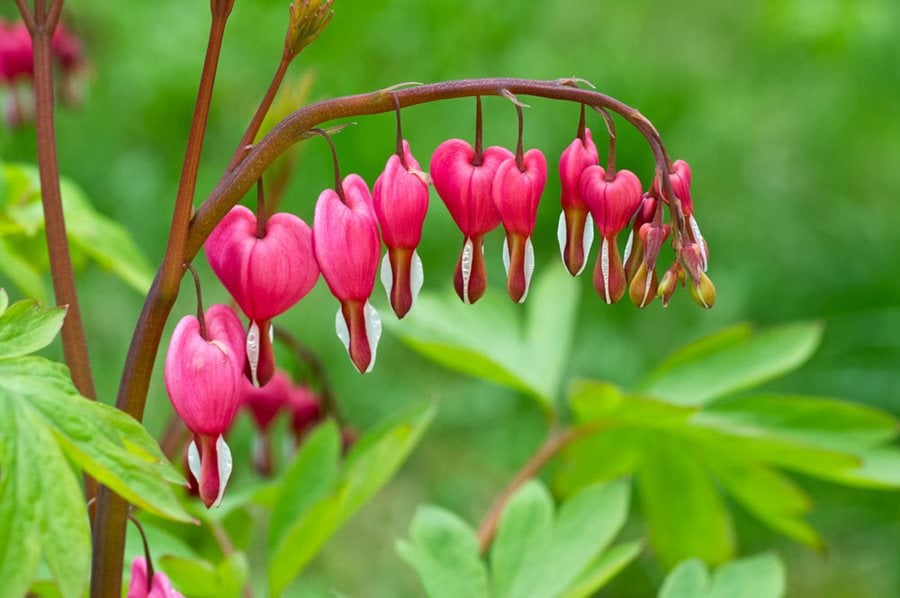
- Bleeding heart (Dicentra spectabilis): This spring-blooming perennial has delicate pink or white flowers that look stunning against the burning bush's fall foliage. Bleeding heart is also a good choice for attracting butterflies and hummingbirds.
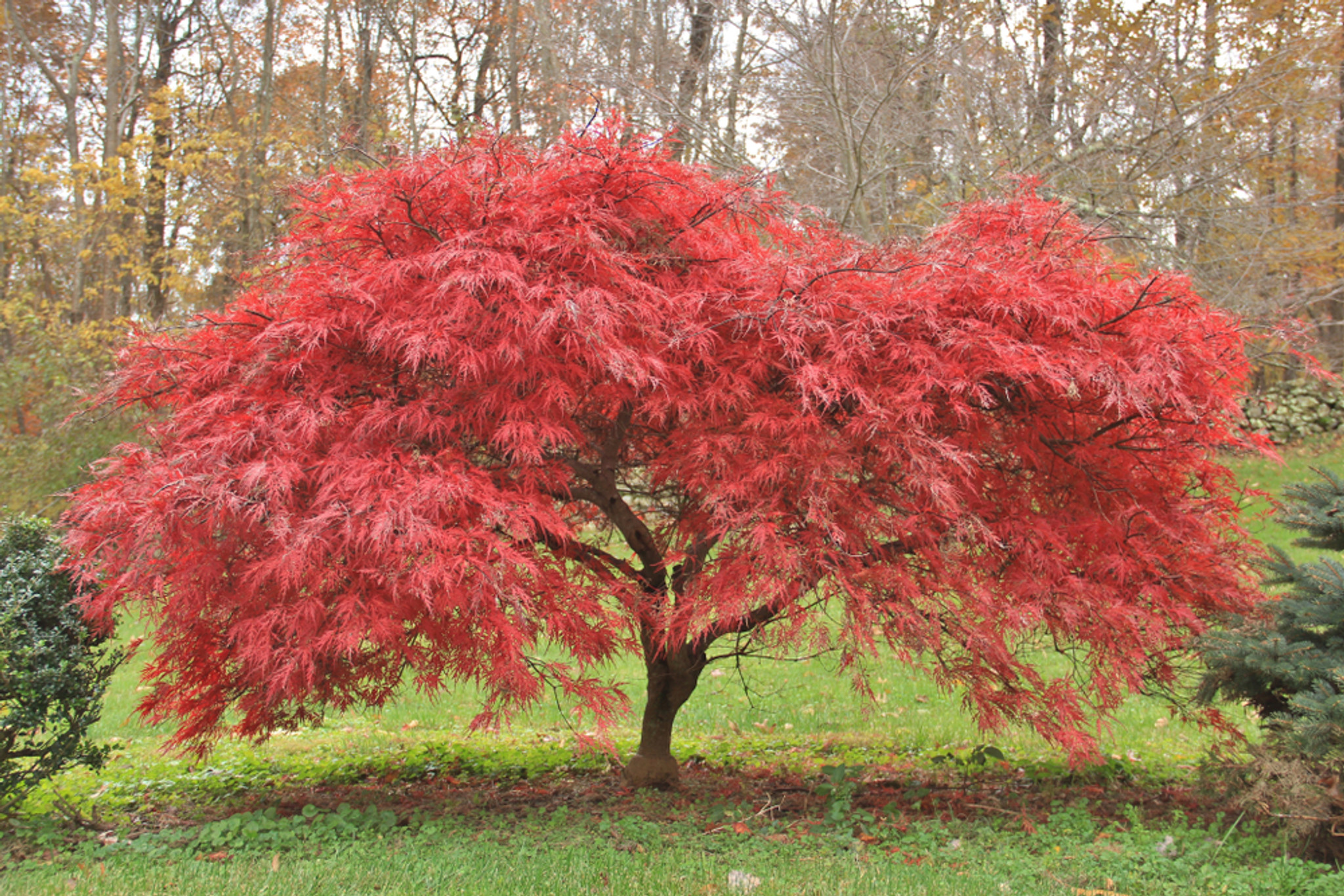
- Japanese maple (Acer palmatum): This elegant tree has beautiful foliage that changes color throughout the year. In the fall, Japanese maples can turn shades of red, orange, and yellow, which will complement the burning bush's fiery red color.
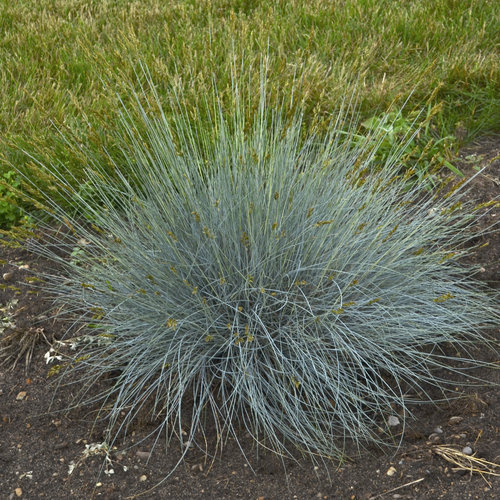
- Blue fescue (Festuca glauca): This low-maintenance grass has blue-green foliage that provides year-round interest. Blue fescue can be used to create a border around the burning bush, or it can be planted in a mixed container.
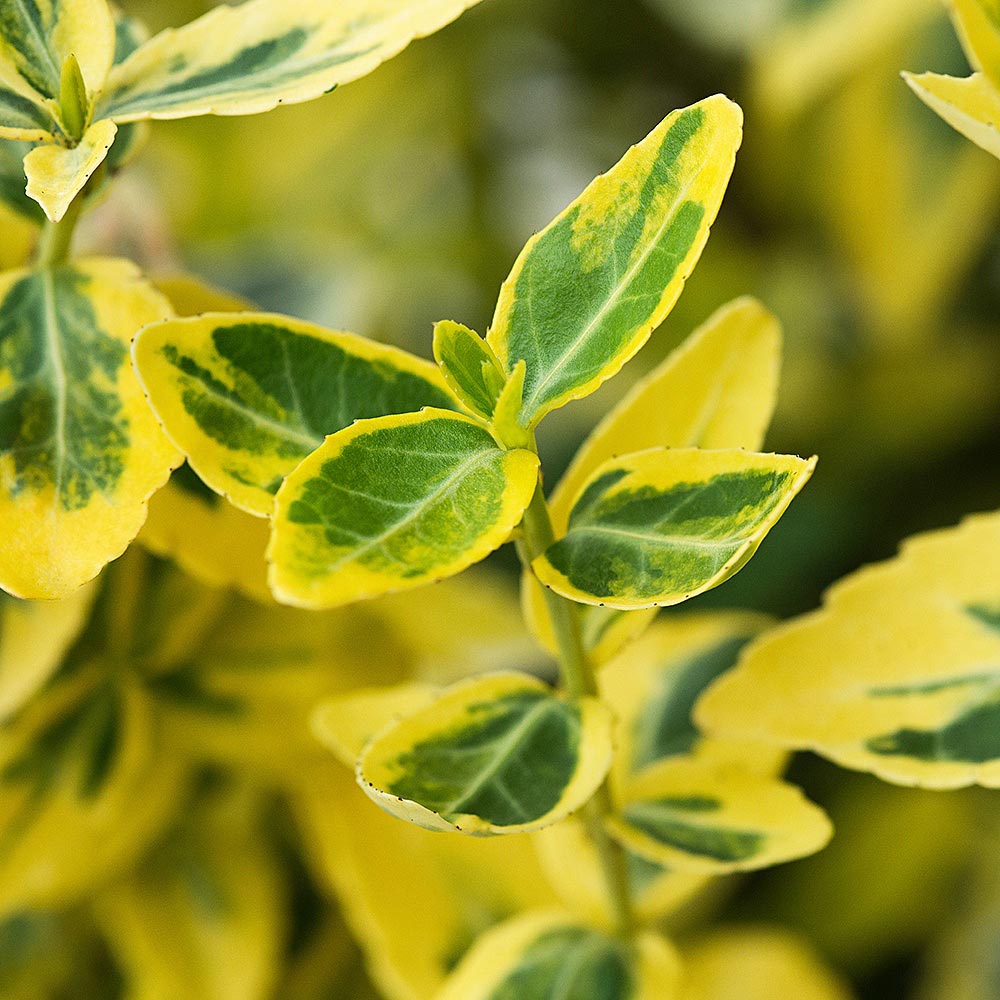
- Golden euonymus (Euonymus fortunei 'Aureus'): This evergreen shrub has golden yellow foliage that provides a bright contrast to the burning bush's fall color. Golden euonymus is also a good choice for attracting butterflies.
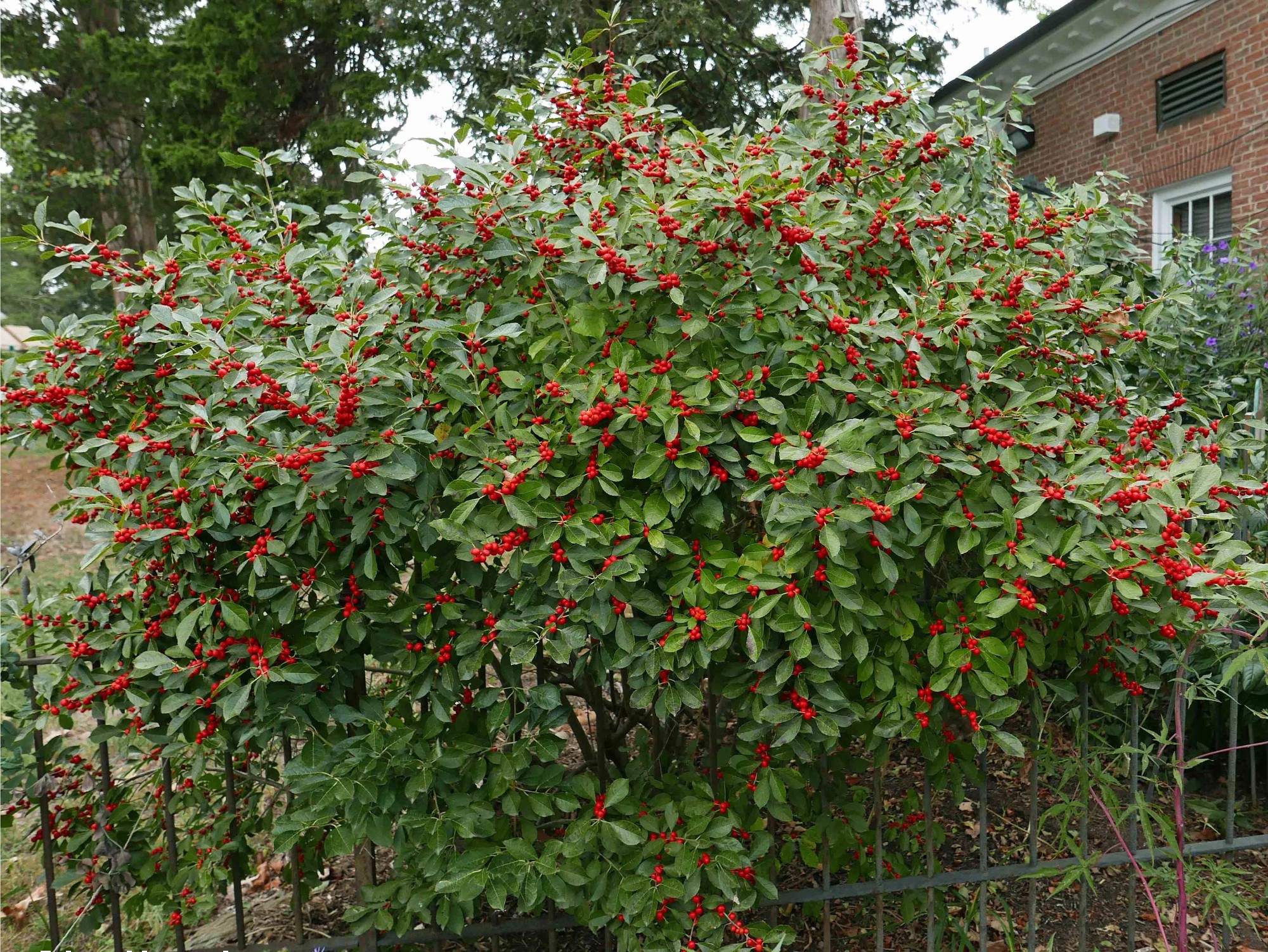
- Winterberry (Ilex verticillata): This deciduous shrub has bright red berries that persist through the winter. Winterberry is a good choice for attracting birds to your garden.
These are just a few of the many companion plants that you can choose from. When selecting companion plants for your burning bush, it's important to consider the following factors:
- Plant size: The companion plants you choose should be compatible with the size of your burning bush. If you have a small burning bush, you'll want to choose companion plants that are also small or medium-sized.
- Sunlight requirements: Burning bush prefers full sun, so you'll want to choose companion plants that also require full sun.
- Water needs: Burning bush is drought-tolerant, so you'll want to choose companion plants that have similar water needs.
- Color: The companion plants you choose should complement the burning bush's fall color. If you have a burning bush with fiery red fall foliage, you might want to choose companion plants with yellow, orange, or purple foliage.
With a little planning, you can create a beautiful and stunning landscape by planting burning bush with the right companion plants.
Burning bushes are a beautiful addition to any garden, but they can be even more stunning when paired with the right companion plants. The right companion plants can help to accentuate the burning bush's fiery fall foliage, or they can provide contrast and interest.
There are many different companion plants that can be paired with burning bushes, but some of the best options include:
- Asters: Asters come in a variety of colors, so you can choose ones that will complement the burning bush's fall foliage. They also bloom at the same time as burning bushes, so you'll have a long season of color in your garden.
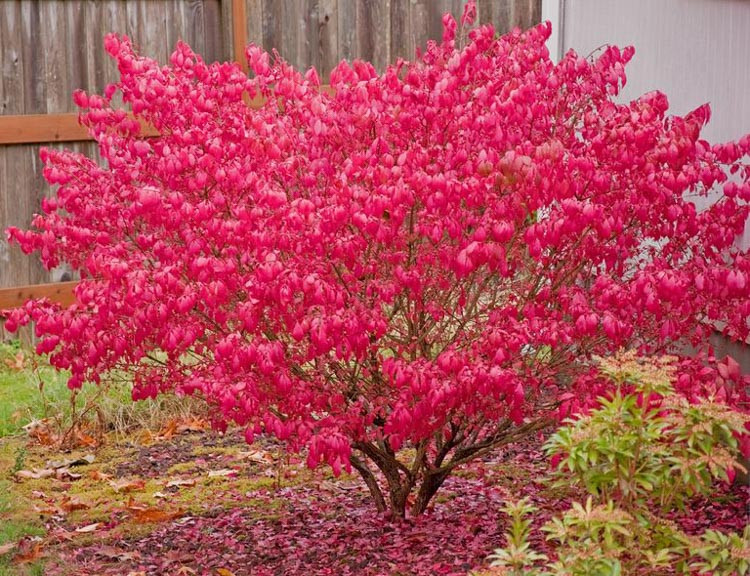
- Japanese blood grass: This grass has striking red foliage that will contrast beautifully with the burning bush's red leaves. It's also a low-maintenance plant, so you won't have to worry about it taking up too much of your time.
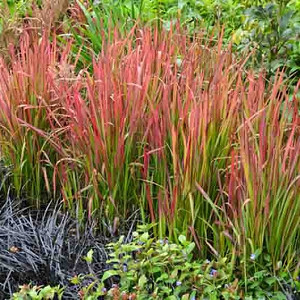
- Purple fountain grass: This grass has feathery purple foliage that will add a touch of elegance to your garden. It's also a drought-tolerant plant, so it's a good choice if you live in a dry climate.
- Blue fescue: This grass has blue-green foliage that will provide a cool contrast to the burning bush's red leaves. It's also a low-maintenance plant, so it's a good choice if you're looking for a low-fuss companion plant.
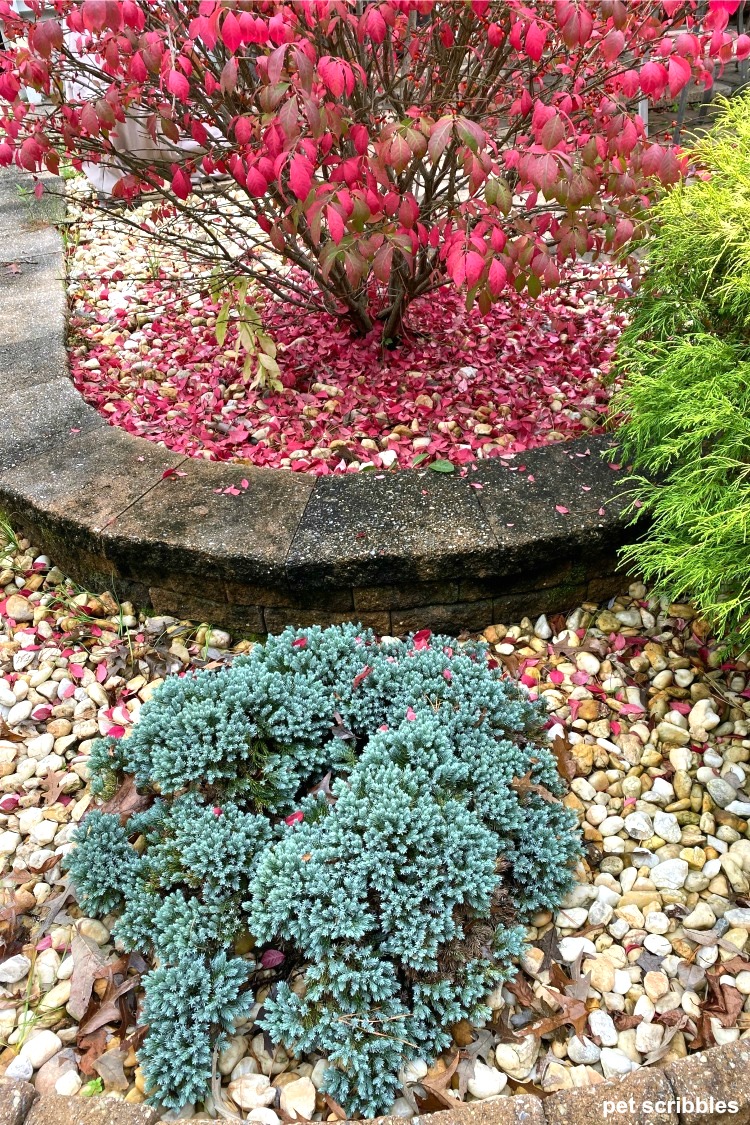
If you're looking for more information about burning bush companion plants, I recommend visiting Gardenia Inspiration. This website has a comprehensive list of companion plants for burning bushes, as well as tips on how to plant and care for them.
FAQ of burning bush companion plants
Q: What are some good companion plants for burning bush?
A: Burning bush (Euonymus alatus) is a deciduous shrub that is known for its bright red fall foliage. It is a hardy plant that can tolerate a variety of conditions, but it does best in full sun. Some good companion plants for burning bush include:
- Evergreens: Evergreens can help to provide year-round interest in the garden, and they can also help to protect the burning bush from winter winds. Some good evergreens to plant near burning bush include Japanese cryptomeria, Douglas fir, and California red fir.
- Bleeding hearts: Bleeding hearts are a herbaceous perennial that blooms in spring with bright pink flowers. They are a good companion plant for burning bush because they have similar growing requirements and they complement each other's colors.
- Summersweet: Summersweet is a shrub that blooms in summer with white flowers that have a sweet fragrance. It is a good companion plant for burning bush because it can tolerate some shade, which can be helpful if the burning bush is planted in a sunny location.
- Spirea: Spirea is a genus of shrubs that includes many different species that bloom in spring or summer. They are a good companion plant for burning bush because they come in a variety of colors and sizes, so you can find one that will complement the burning bush's fall foliage.
- Chrysanthemums: Chrysanthemums are a genus of flowering plants that includes many different species that bloom in fall. They are a good companion plant for burning bush because they have similar growing requirements and they can add color to the garden after the burning bush's leaves have fallen.
Q: What should I avoid planting near burning bush?
A: There are a few plants that you should avoid planting near burning bush. These include:
- Magnolias: Magnolias have shallow roots that can compete with the burning bush for water and nutrients.
- Hollies: Hollies have dense foliage that can block the burning bush's sunlight.
- Wisteria: Wisteria is a vigorous vine that can quickly outgrow the burning bush.
- Invasive species: Avoid planting any invasive species near burning bush, as these plants can quickly spread and damage the environment.
Q: How far apart should I plant burning bush and its companion plants?
A: The distance between burning bush and its companion plants will depend on the size of the plants. As a general rule, you should plant burning bush and its companion plants at least 3 feet apart. This will give the plants enough space to grow and thrive.
Q: What is the best time of year to plant burning bush and its companion plants?
A: The best time of year to plant burning bush and its companion plants is in the spring or fall. These are the times of year when the weather is mild and the plants will have the best chance of establishing themselves.
Q: How do I care for burning bush and its companion plants?
A: Burning bush and its companion plants are relatively easy to care for. They need full sun and well-drained soil. You should water them regularly, especially during the first year after planting. You may also need to fertilize them once a year in the spring.
Image of burning bush companion plants
- Coneflower: Coneflowers are a great companion plant for burning bush because they bloom at the same time and attract similar pollinators. They also come in a variety of colors, so you can choose ones that will complement the burning bush's red leaves.

- Black-eyed Susan: Black-eyed Susans are another great option for companion plants for burning bush. They are also tall and have yellow flowers that will contrast nicely with the burning bush's red leaves.
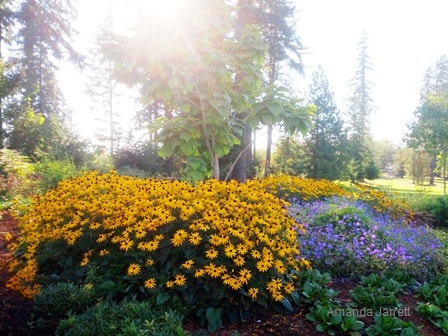
- Goldenrod: Goldenrod is a low-maintenance plant that is drought-tolerant and deer-resistant. It blooms in late summer and fall, so it will provide color in the garden after the burning bush's leaves have fallen.
- Russian sage: Russian sage is a tall, airy plant that blooms in shades of blue, purple, and lavender. It will provide contrast to the burning bush's red leaves and will attract butterflies and other pollinators to the garden.
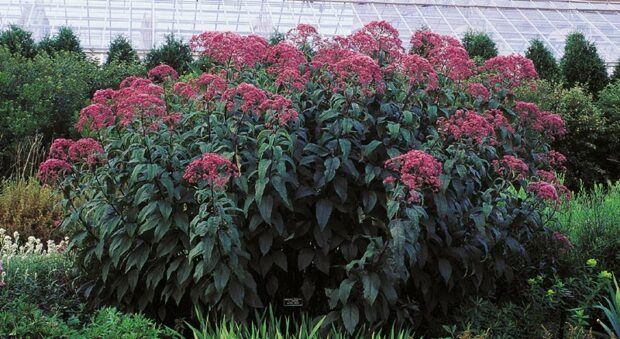
- Joe Pye weed: Joe Pye weed is a tall, native wildflower that blooms in late summer and fall. It has clusters of pink, purple, or white flowers that will attract butterflies and other pollinators to the garden.


Post a Comment for " Stunning Companion Plants For Burning Bushes"